Bad Buddhist Radio, Episode 2 · Ryu Cope · 15 minutes
Why do people meditate, chant and study for years just to reach enlightenment? In the second episode of Bad Buddhist Radio, Ryu Cope asks what enlightenment actually is. His answer has nothing to do with dissolving into the universe, and a lot to do with the guy who cut you off this morning.
Enlightenment, by the dictionary
Ryu starts by throwing out "all the BS about endless suffering and rebirth" and just reading the words. Nirvana, as most Buddhists define it, is a state of perfect wisdom and infinite compassion: the "one with everything" thing. Enlightenment, stripped of metaphysics, is the state of having been given knowledge or insight. You use the word yourself whenever you say "enlighten me."
So if enlightenment is having insight, nirvana would be having all insight. Ryu's response: no human being can know everything, so that version is off the table. What's left is something smaller and more useful. Enlightenment is the ability to step outside your own little world and see through someone else's eyes, or better still, to see the world as it truly is.
The four ponds
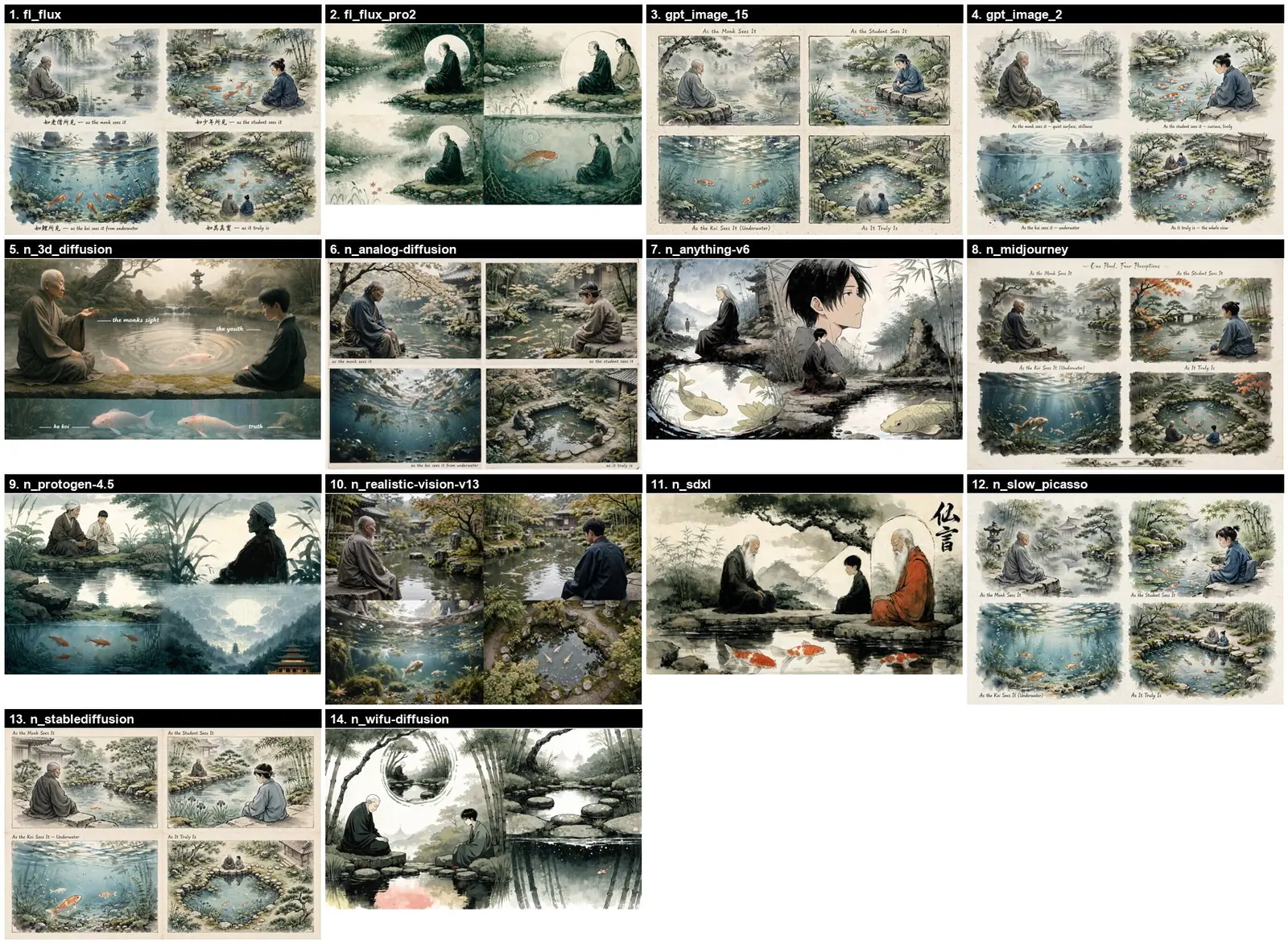
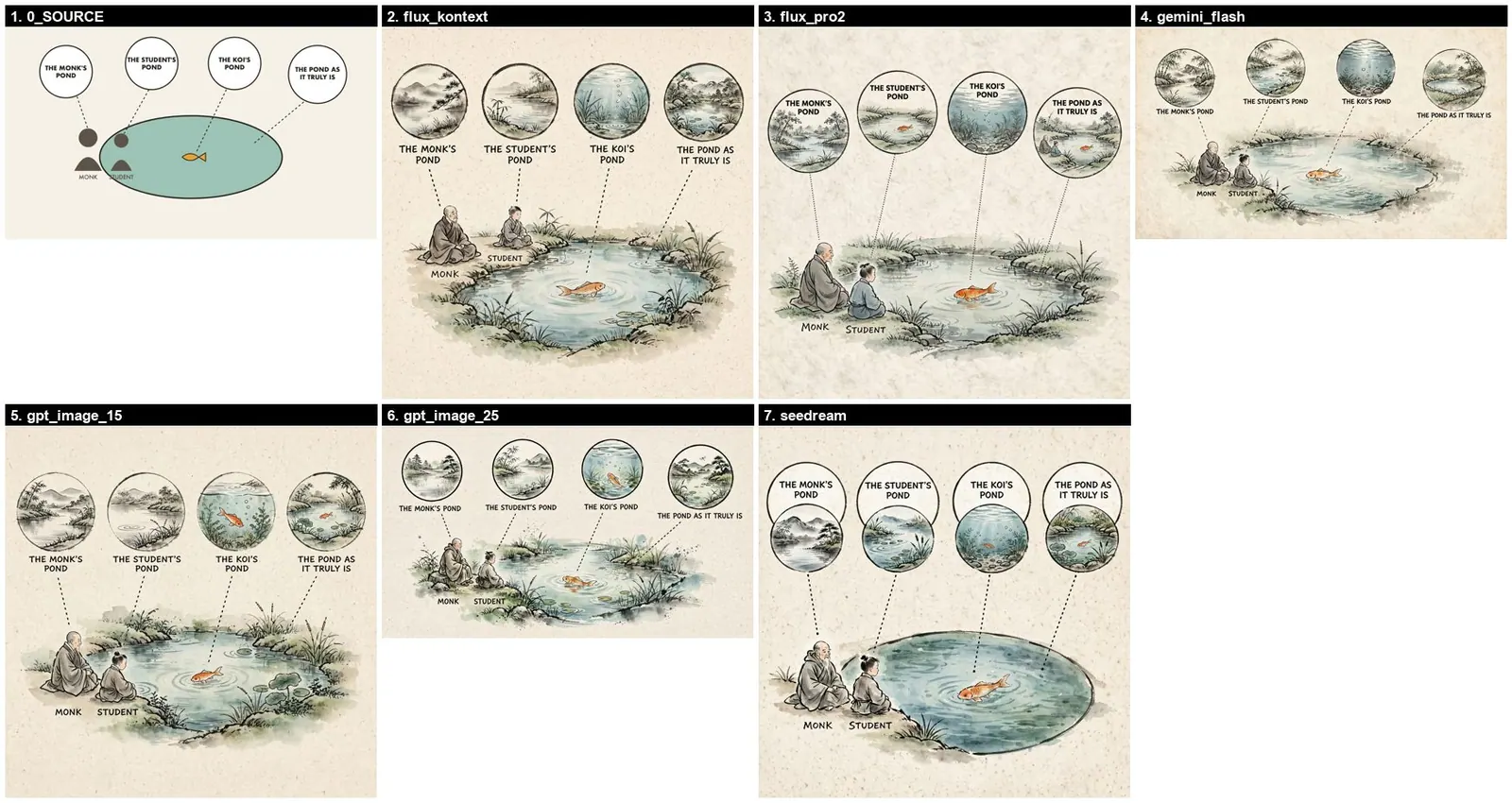
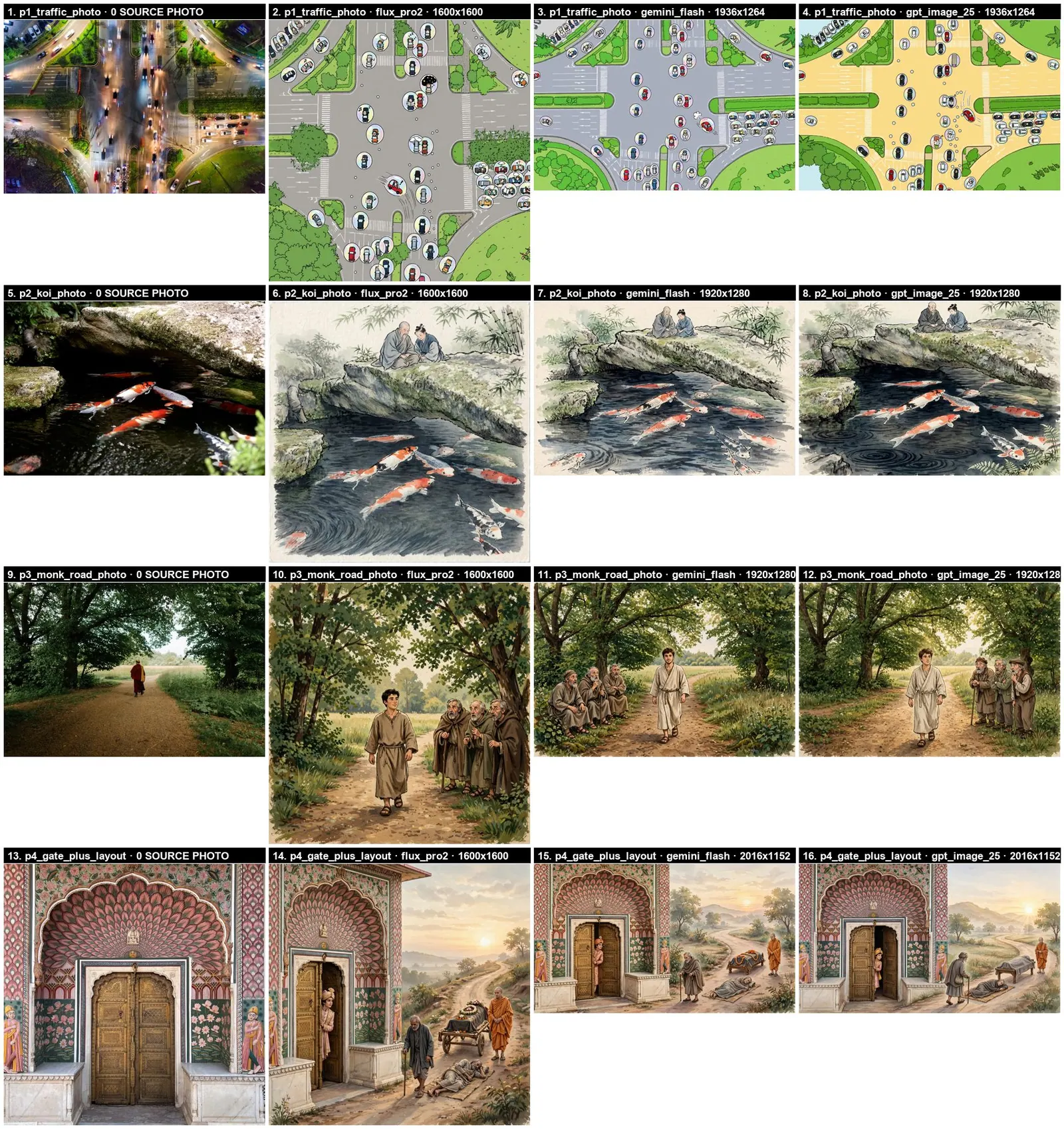
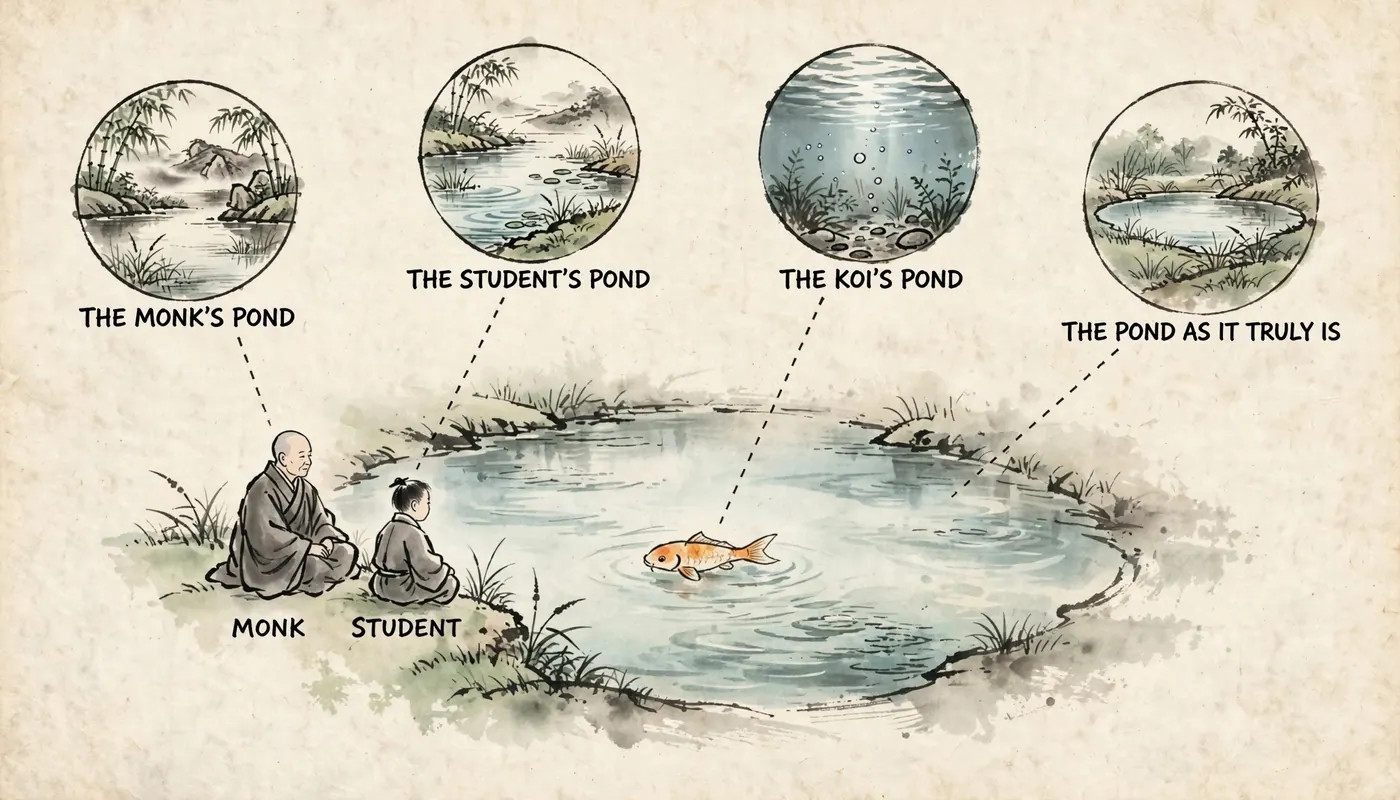
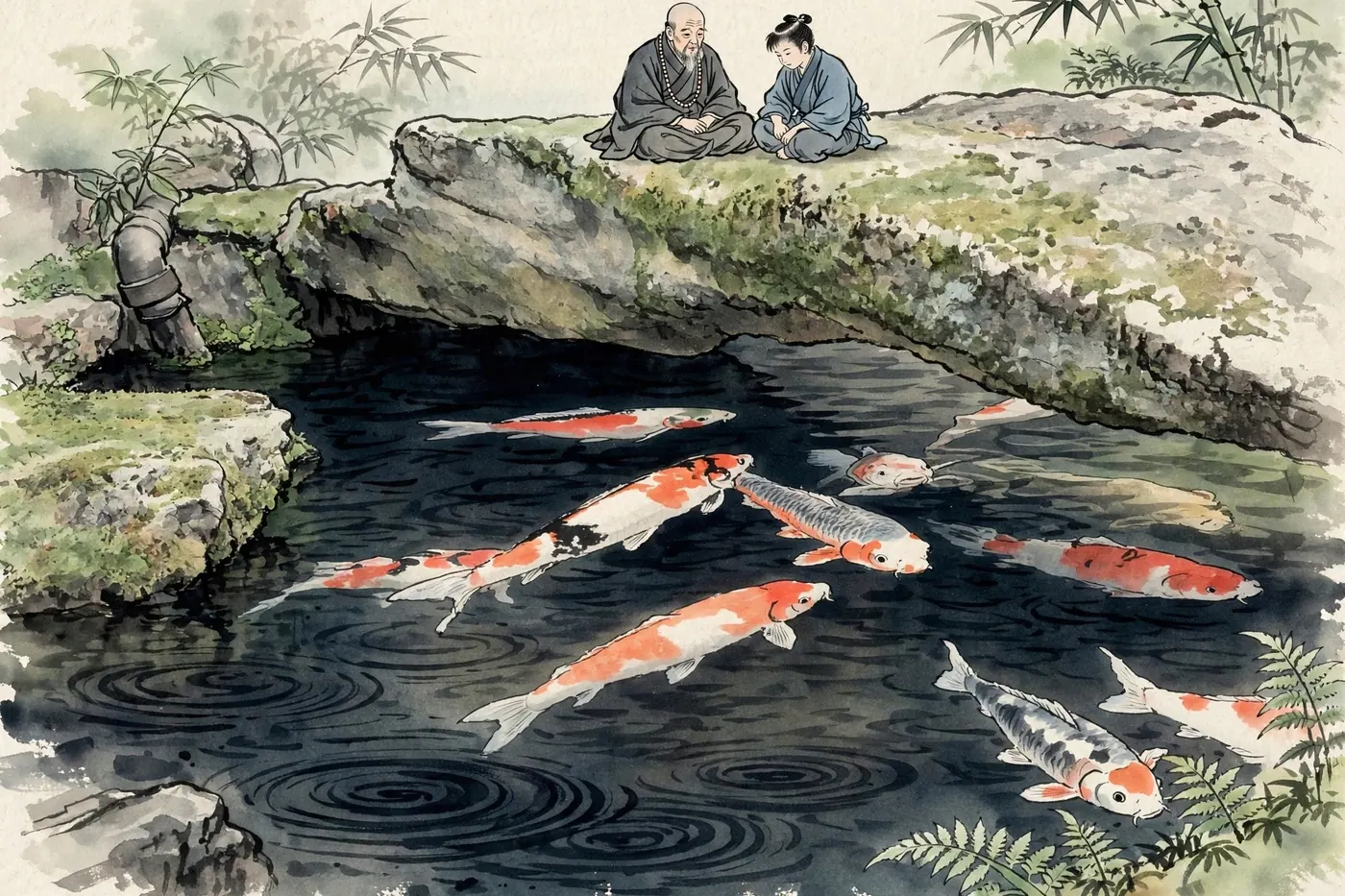
To show what that means, Ryu tells an old story. A monk sits with his student beside a koi pond and asks how many ponds there are. One, says the student. Wrong, says the monk. There are four.
"I didn't ask you how many you saw, I asked you how many there were."
The monk explains. The pond he experiences isn't the pond the student experiences. Maybe one sees the water as greener, the other as browner; maybe one can smell the lilies. And neither of their ponds is the pond the koi lives in. To the humans, the water is something pretty to look at. To the koi, it's life.
The student works it out: that's only three ponds. The monk smiles.
"You're forgetting the most important pond of all, the pond as it truly is."
Everybody lives in a bubble
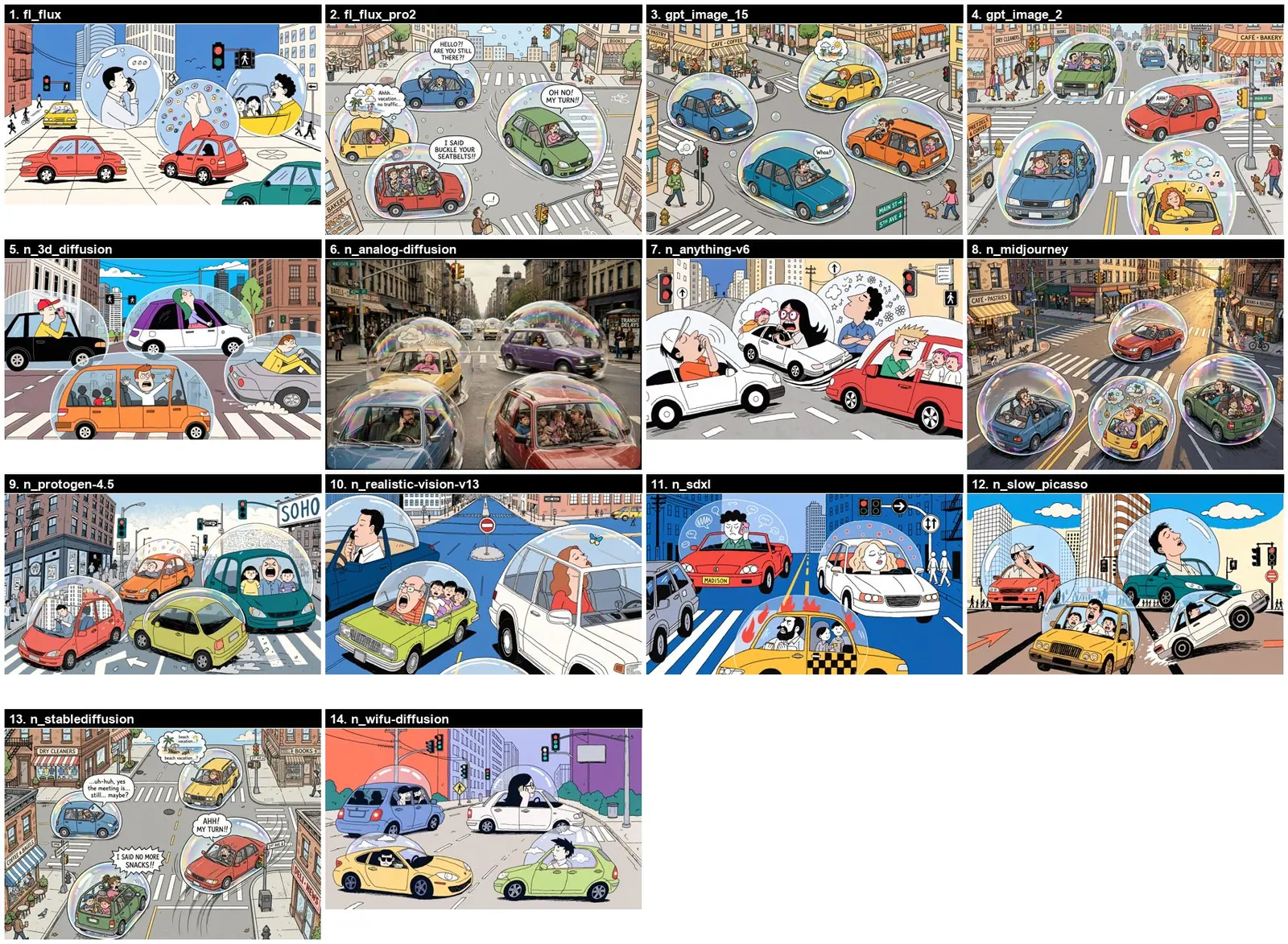
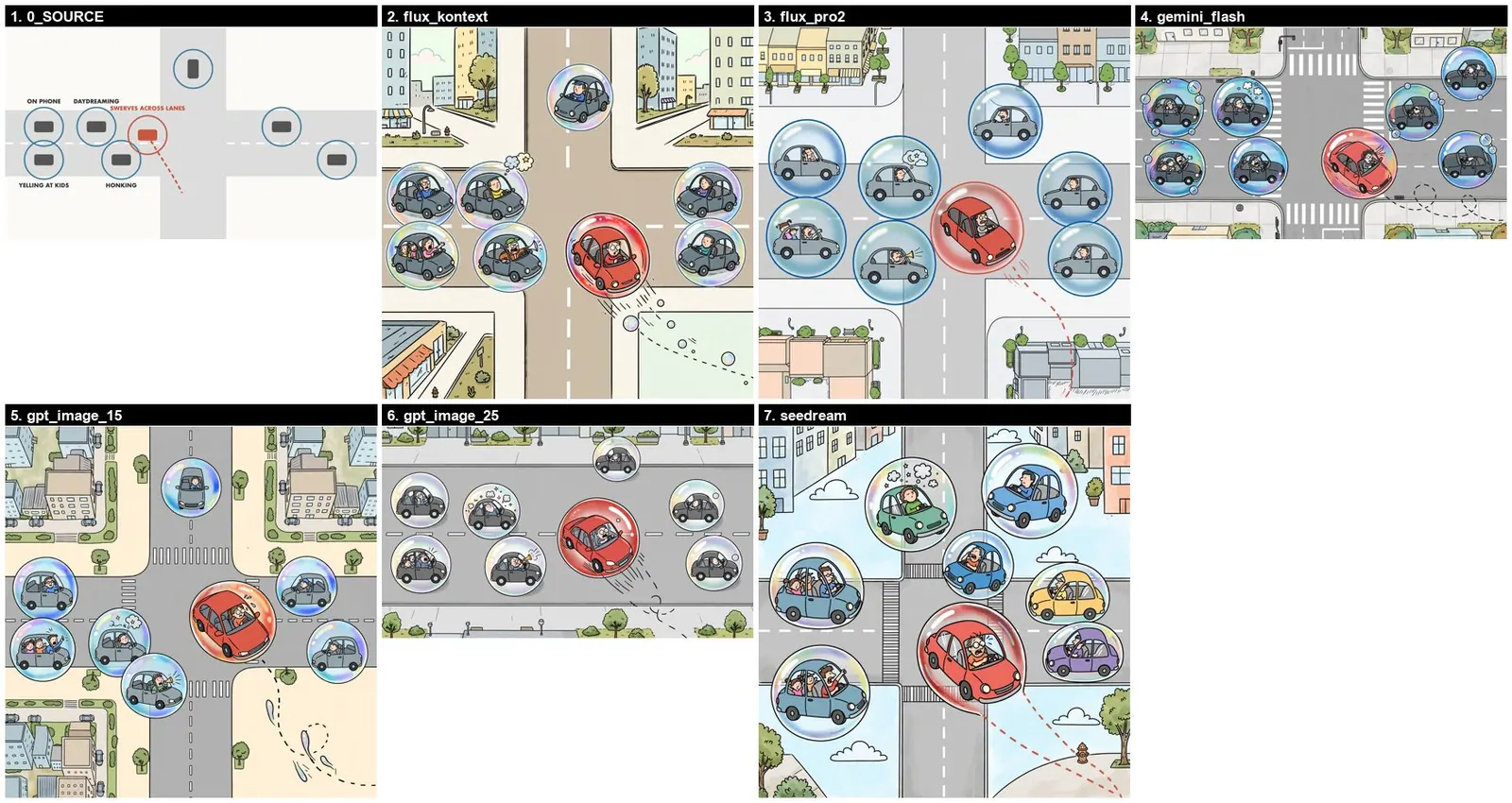
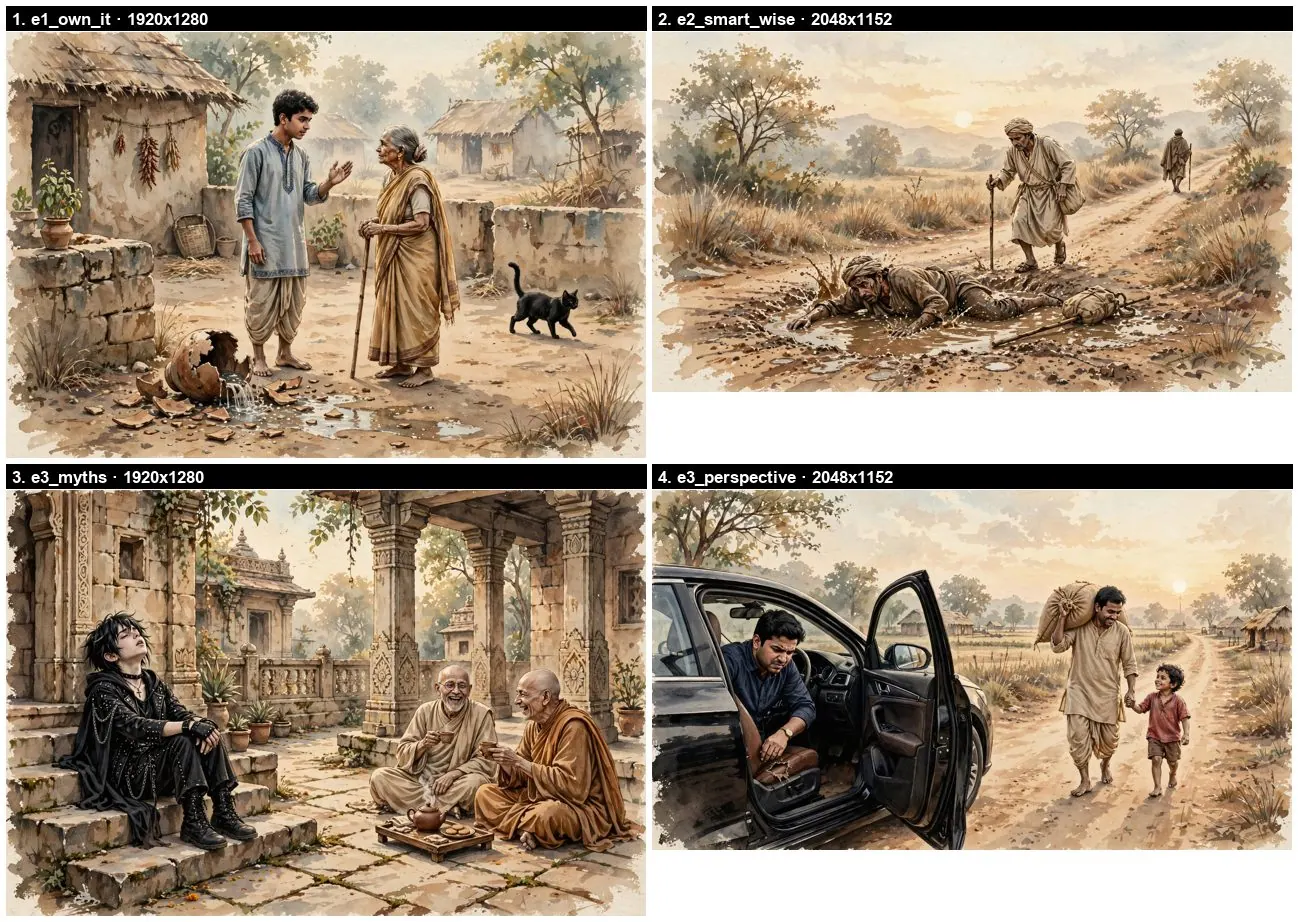
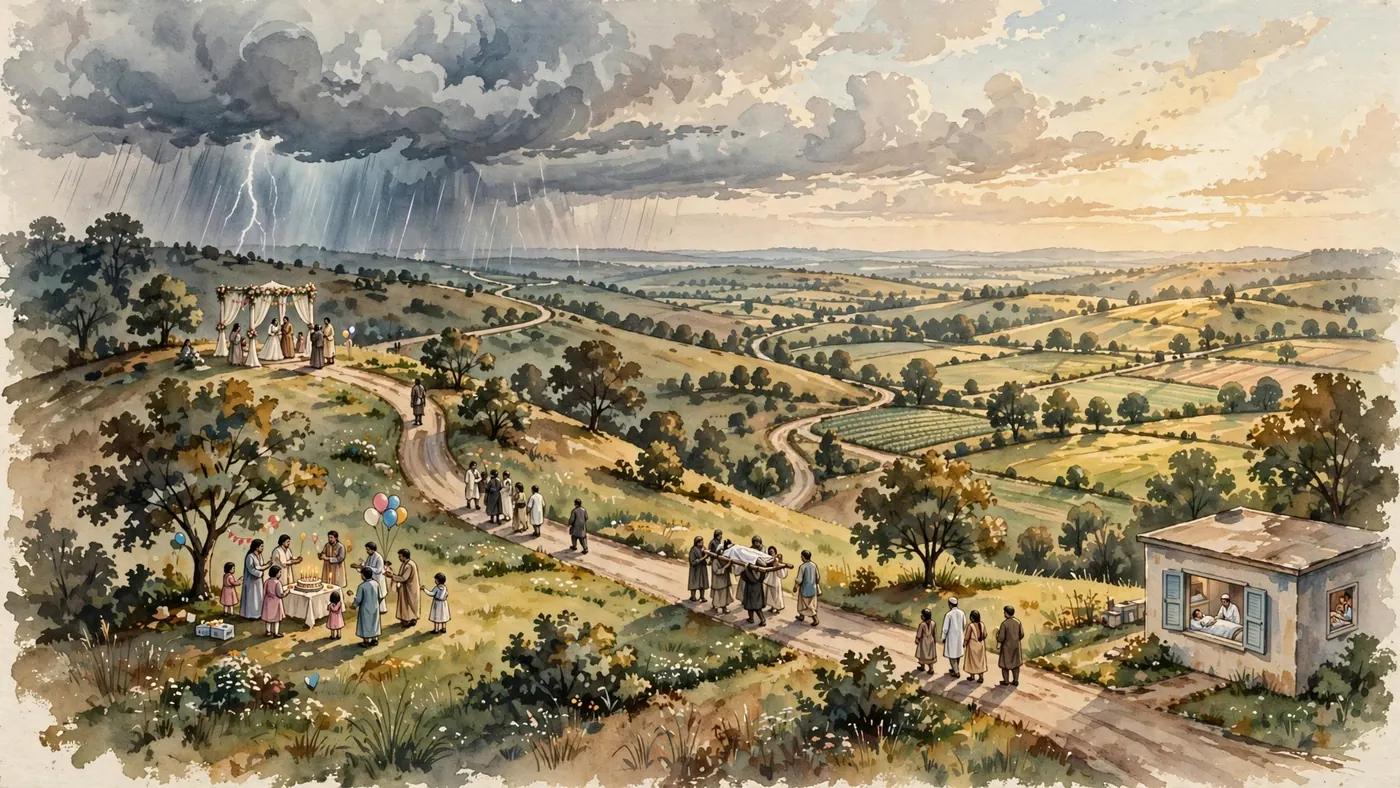
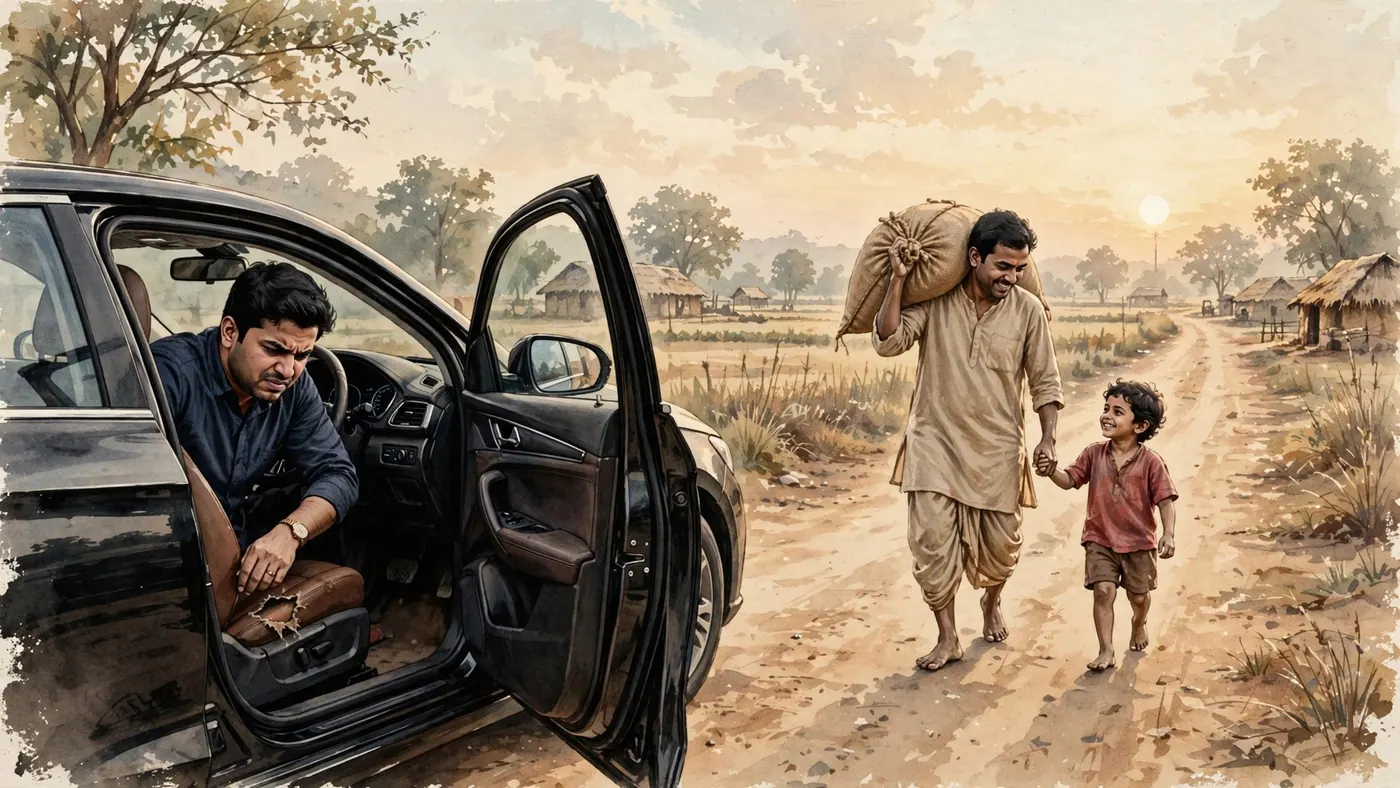
The point is that all of us wander around inside bubbles made of our own perceptions, memories and experiences. Nobody chooses this. It's how being a person works. When somebody does something, our first and often only question is how it affects us.
Enlightenment, in Ryu's telling, is the ability to leave your bubble for a while and look into someone else's. When you do, you understand people a little better. Understanding leads to empathy, and empathy leads to treating people better. "Oh no, what's that? Is that that whole compassion thing?"
Why most people don't bother
Anybody can do this, so why doesn't everybody? Ryu gives three reasons: people don't know how, it's hard work, and it never stays done. That last one is the real catch. Enlightenment isn't a certificate you earn once. It's maintenance, like breathing, eating or sleeping. You never take one drink and call yourself hydrated for life.
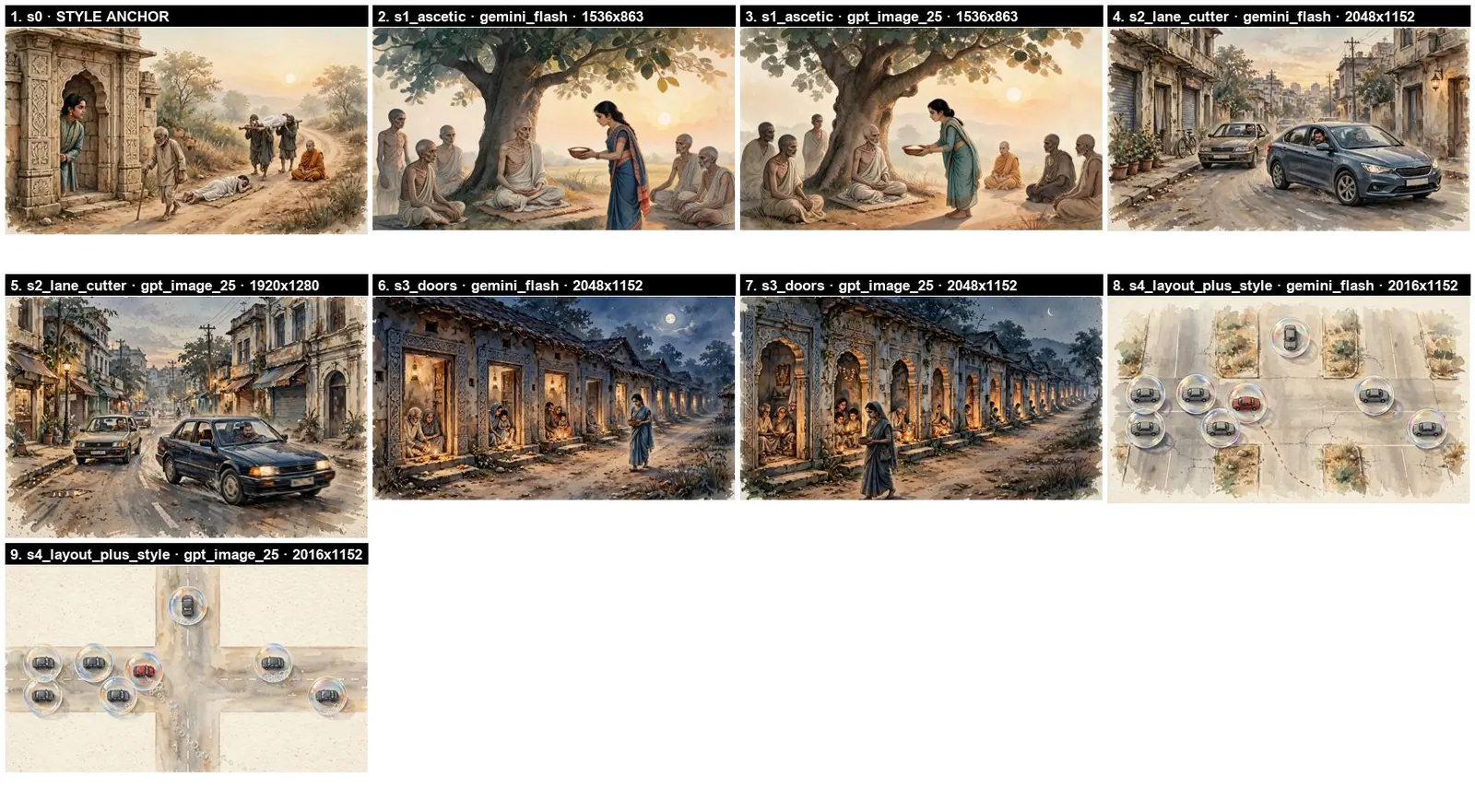
The payoff is worth it, though. Most problems trace back to a lack of insight. His version of an old saying puts it neatly: the smart man learns from his own mistakes, the wise man learns from the mistakes of others, and the awake man learns before the mistake happens at all.
Uncertainty, fear, anger
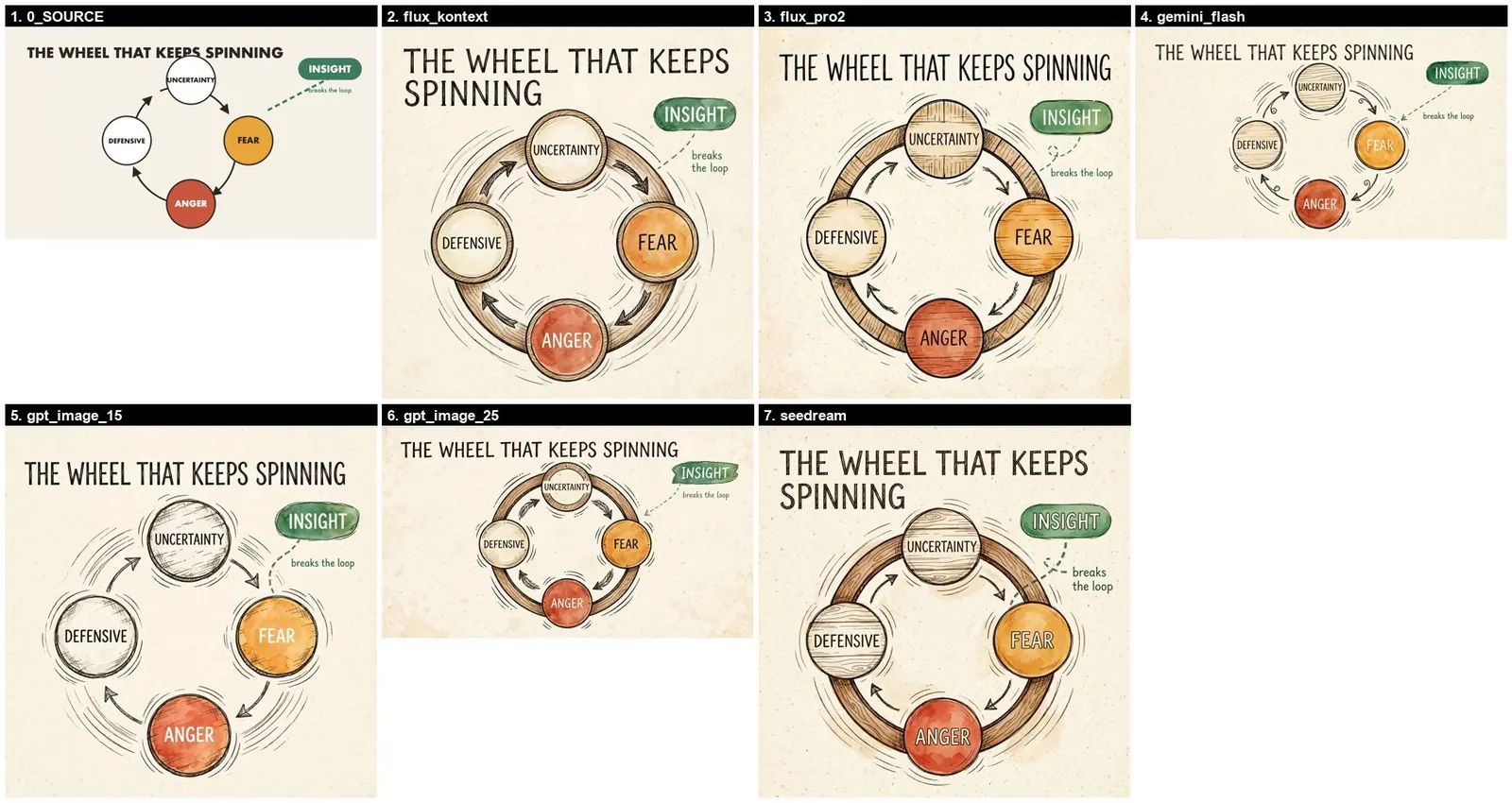
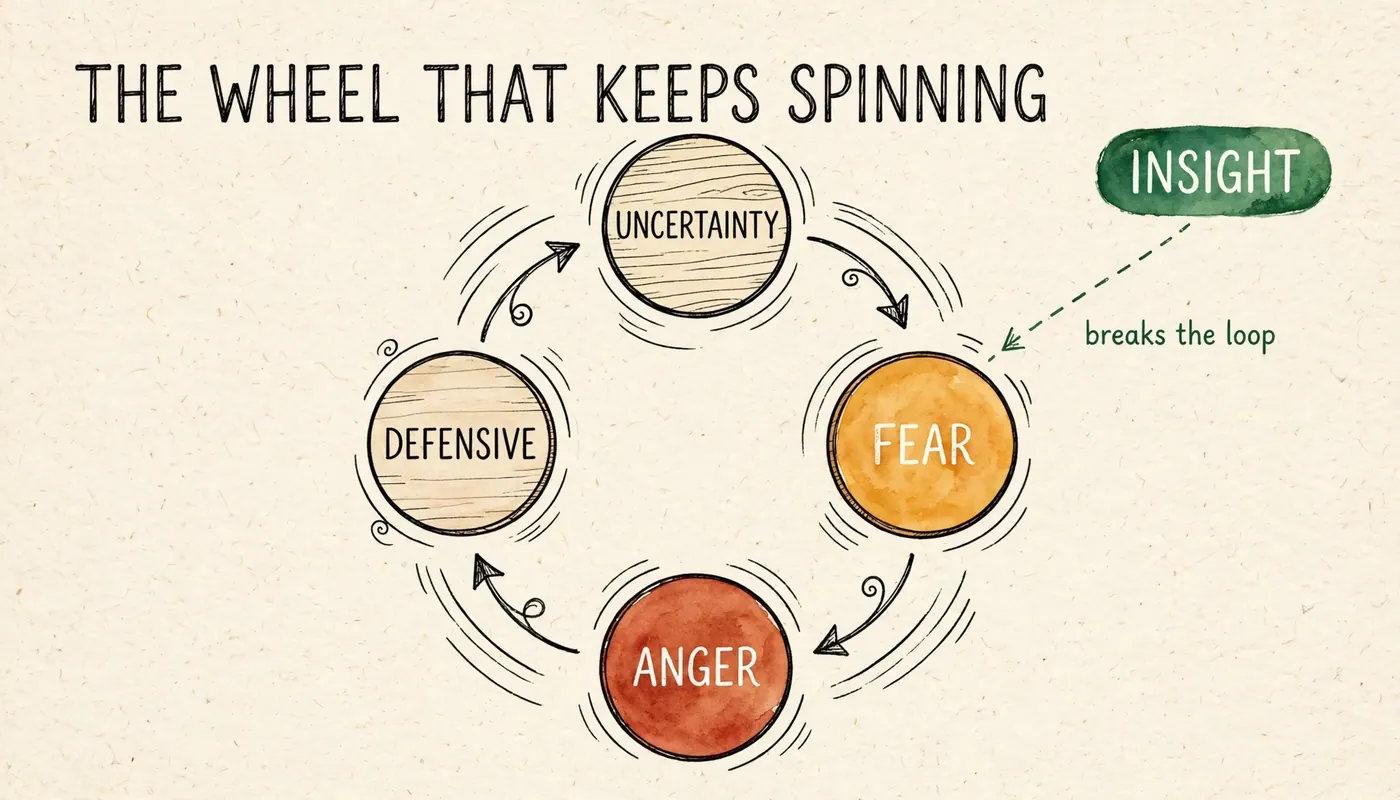
Ryu adds a piece of psychology. Uncertainty creates fear. Fear breeds anger, defensiveness and self-righteousness, or worse, a numbness that leaves people mindless and joyless. Insight breaks that chain, because once you understand why something happened, you can do something about it, even if that something is only empathy.
The lane cutter
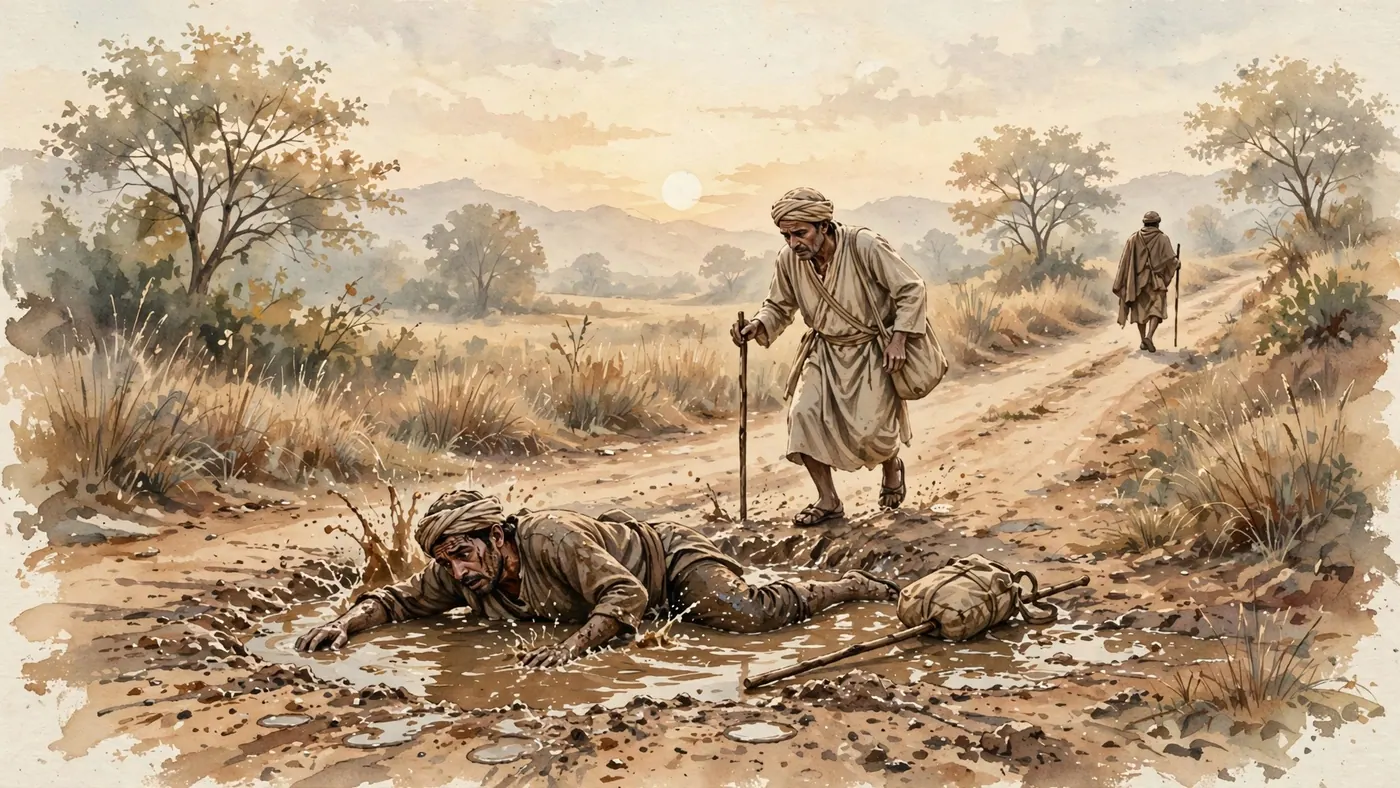
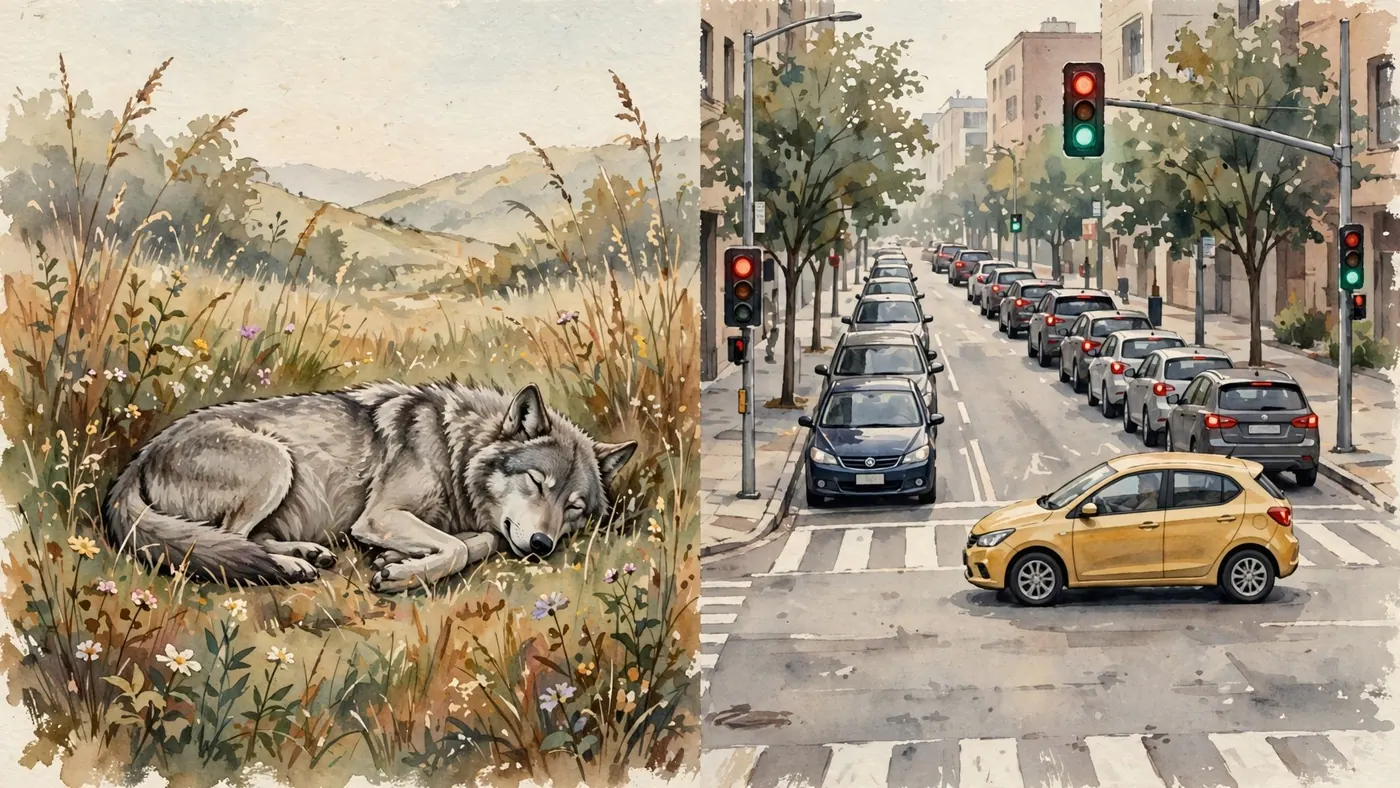
Then comes the story the episode is built around. You're driving. A guy suddenly swerves across your lane because he just realized he needs to turn right. He doesn't hit you, but he could have. So you honk, flip him off and call him a few names. Now he's mad at you. You both spend the rest of the day in a bad mood.
Replay it with one person awake. If the other driver had been paying attention, he'd have known where he was, or he'd have realized missing a turn is no big deal and taken the next one. Instead, a split second of not knowing scared him, the fear made him defensive, and he cut across a lane because in that moment only his own bubble mattered.
And if you had been awake, you might have seen a thousand little clues: him slowing at every intersection, squinting at street signs, talking on his phone.
"It ain't ESP. It's called being aware."
Instead the cycle keeps turning. Fear, anger, back into the bubble, round and round like the battery bunny. Reacting is easy. Seeing outside yourself is work, and you have to do it again next time.
Natural, not supernatural
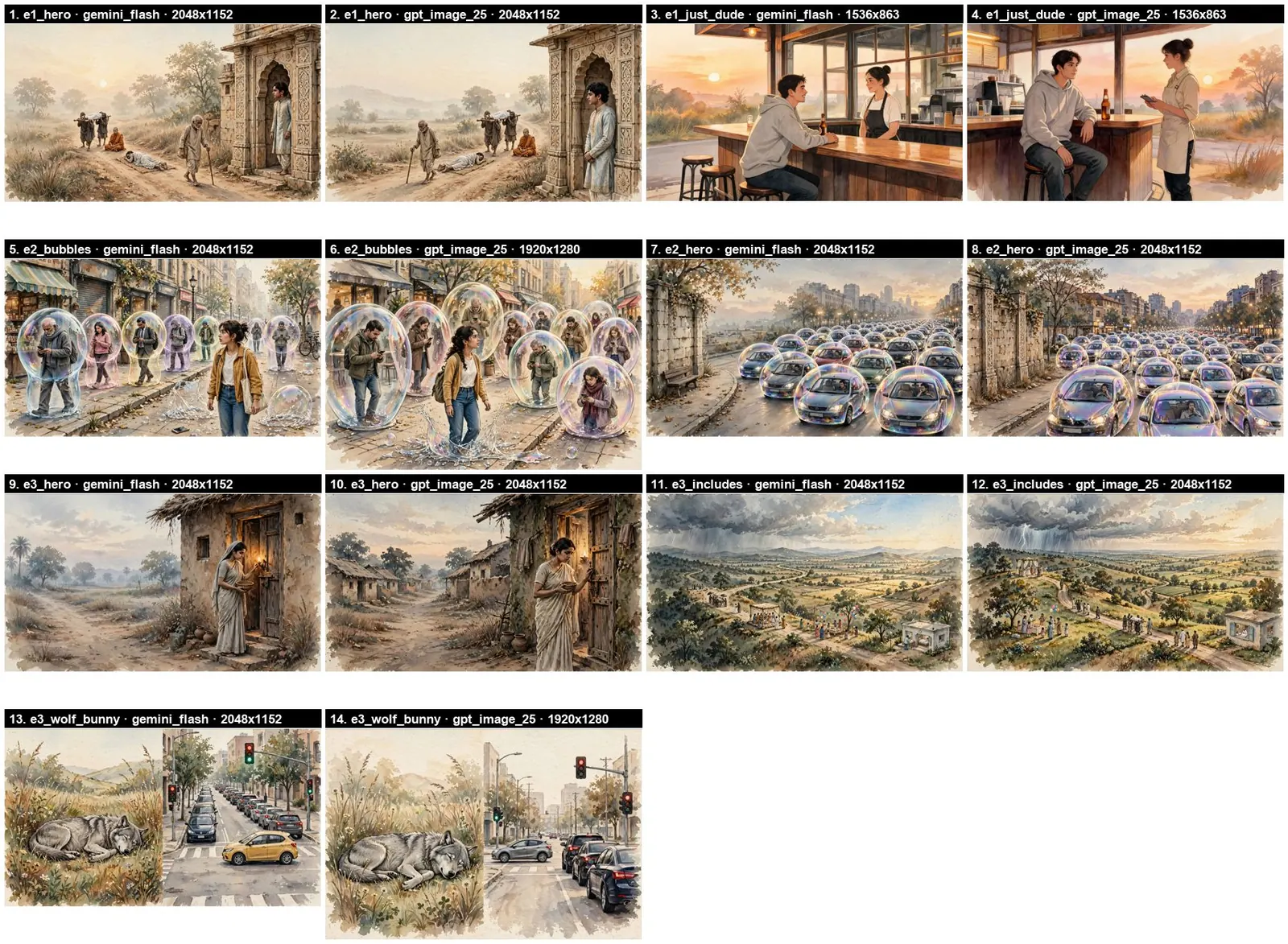
Ryu's closing argument is that enlightenment isn't reserved for old monks in robes who have pondered riddles for decades. It's a natural state of understanding and insight that anyone can reach by paying attention and living in the moment.
"Insight is natural, people, not supernatural."
In other words, try not to be a selfish, self-centered moron. That's the lesson.
Chapters
- 00:00 Welcome Back
- 00:32 So What's the Big Deal?
- 01:24 Dictionary Enlightenment
- 02:35 Nobody Knows Everything
- 03:16 The Four Ponds
- 05:09 Living in Bubbles
- 05:36 Walk a Mile in Their Moccasins
- 06:29 Why Most People Don't Bother
- 07:56 The Smart Man and the Wise Man
- 08:49 Uncertainty, Fear, Anger
- 09:48 The Lane Cutter
- 12:26 A Thousand Little Clues
- 13:27 The Wheel Keeps Spinning
- 13:53 Natural, Not Supernatural